St Peter's Molash
With traces of medieval wall paintings on the south wall in sight, the earliest definitive records of Molash church can be found in the early thirteenth century.
In that century, Molash Church like many small parish churches in rural Kent, served not only as a place of worship but as the centre of local activity, the vicar and churchwardens organised the distribution of alms and bread to the poor, sheltered travellers and tended the sick, while tithes, gifts from local lords and parishioners, and the contents of the church poor‑box formed the modest financial basis for relief.
Charity at this time was largely community‑based and personal, expressed through regular alms‑giving, occasional bequests for the maintenance of the needy, and the reciprocal obligations of manor and parish; the church’s ritual life—masses and prayers—also embodied an ethical duty to care for the less fortunate. Even though detailed records for Molash itself are scarce, surviving practice across Kent suggests that the parish church would have been central to these everyday acts of compassion in the early thirteenth century.
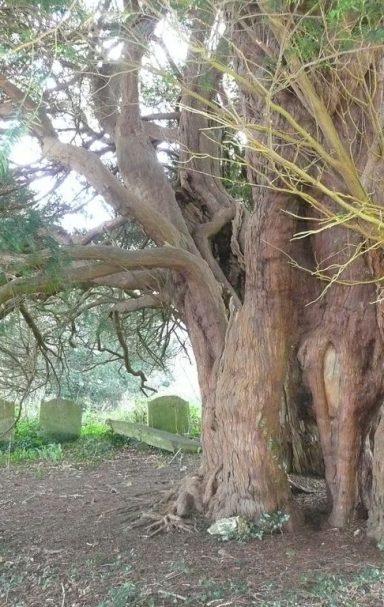
2000 year old Yew Trees
We are fortunate to have six very ancient Yew Trees in the churchyard, alive and thriving.
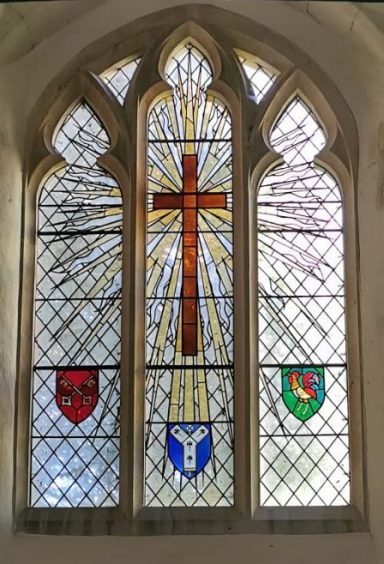
Stained Glass Window
Beautiful stained glass window survives
Molash Bell
This has been recently restored and is now in use in the tower. The single 2ft 10inch bell cast by Joseph Hatch in 1608. The fittings have been conservatively restored with the bell rehung in the existing timber frame for swing chiming only.
The Font
The Norman font, which tradition relates to have been found years ago
(in fact since 1800) being used as a cattle-trough at Church Farm, is considerably older than the building
in which it now stands.